





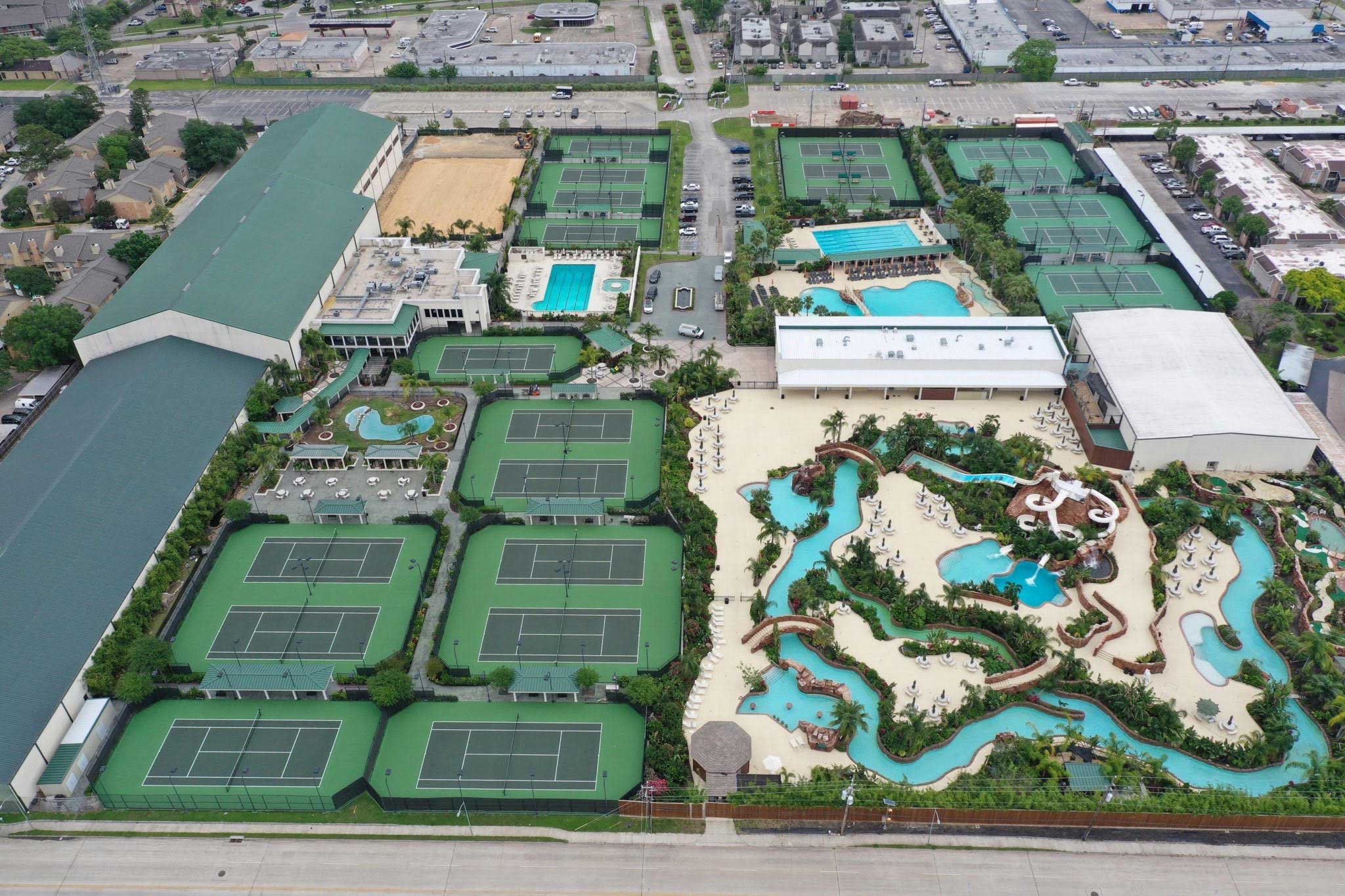
Here's the uncomfortable truth every court owner learns: a crack is a symptom, not the problem. The slab underneath has moved — settled, heaved, or shrunk — and it will keep moving with every freeze-thaw cycle. Squeeze filler in the gap and paint over it, and the crack reads right back through the new surface within a year. Repair that lasts works differently.
The three levels of crack repair
1. Fill (cosmetic — months)
Acrylic crack filler squeegeed into hairline cracks. Cheap, fast, and fine as prep for minor surface cracking — but it does nothing about movement. Expect reappearance at the next season change.
2. Patch & bind (moderate — a few seasons)
Cracks routed, filled, and leveled with patch binder before resurfacing. Better adhesion, better leveling — still rigid, so it still moves when the slab does.
3. Bridge with a membrane (structural — years)
This is the professional answer for cracks that reopen. A flexible membrane system — this is exactly what Faultline is — spans the crack and absorbs the slab's movement instead of transmitting it to the surface. The crack keeps moving underneath; the court above stays whole. It's the difference between hiding a crack and retiring it.
What repair costs
Typical ranges
- Simple fill during resurfacing: included–$500
- Routed patch repair: $500–$2,000 per court
- Membrane system over major cracking: $2,000–$6,000 per court
- For comparison — full reconstruction: $40,000+
A membrane repair that defers reconstruction by five years is the best money in court ownership.
When repair is the wrong answer
Cracks wider than a finger, elevation changes you can feel underfoot, or a slab that holds sheets of water mean base failure. At that point membranes buy time but not forever — get an honest assessment before spending. An ATS installer will tell you which situation you have.
Pair it with resurfacing
Crack repair almost always happens as step one of a resurfacing project — the membrane goes down, then resurfacer and color coats over the whole court so the repair disappears completely.